
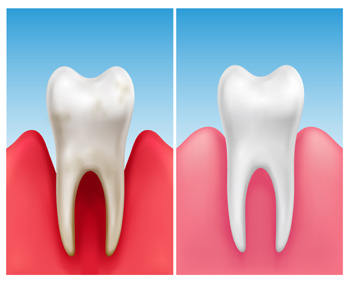
February marks both Periodontal Health Month and Heart Health Month, making it an ideal time to consider a connection that affects your health year-round. Research has shown that periodontal disease, commonly known as gum disease, can significantly increase the risk of heart disease. The pathway between the two conditions runs through your bloodstream, and the evidence continues to grow stronger each year.
At Olympia Hills Family Dental, we take a whole-health approach to dental care that protects your smile while also supporting your systemic health. Protecting your gum health is one of the most direct steps you can take to reduce your risk of heart-related complications.
How Gum Disease Affects Your Heart
Your mouth and your heart may seem like entirely separate systems, but the bacteria that cause gum disease do not stay in one place. Studies from Harvard Health have shown that people with gum disease are at an increased risk for heart disease. The bacteria in your mouth, when left unchecked, can enter the bloodstream and trigger a cascade of inflammation throughout the body.
Inflammation
Several bacteria found in periodontal disease have been detected in cardiovascular tissue, including the heart. Research has shown they travel through the bloodstream and, once established in other areas, trigger your immune system to increase inflammation. This inflammatory response damages healthy cells and is recognized as a contributing factor in heart disease.
Bacterial Spread
The bacteria associated with periodontal disease are small enough to enter your bloodstream through inflamed, bleeding gum tissue and reach other parts of the body, including arterial walls and heart valves. This spread is one reason why dental infections are taken seriously as a systemic health concern.
Compounding Health Complications
People with both periodontal disease and heart disease can experience a reinforcing cycle: gum disease worsens cardiovascular inflammation, and cardiovascular disease can reduce circulation to gum tissue, making oral infections harder to resolve. Breaking that cycle starts with treating gum disease.
Protecting Your Gums to Protect Your Heart
Gum disease is largely preventable, and the same habits that protect your gums also benefit your cardiovascular health. Here are the most important steps you can take.
- Brush and Floss Consistently: Brushing twice daily and flossing once a day removes the plaque and bacteria that drive gum inflammation. We encourage the use of electric toothbrushes, as they do a much more thorough job than manual brushing.
- Attend Regular Dental Visits: Preventive dental care allows us to catch early signs of gum disease before they progress. Professional cleanings remove buildup that home care cannot reach.
- Eat an Anti-Inflammatory Diet: Leafy greens, citrus fruits, whole grains, and foods rich in antioxidants help reduce oral and systemic inflammation.
- Avoid Tobacco: Smoking is a major risk factor for both gum disease and heart disease. Tobacco weakens the immune response and slows gum tissue healing significantly.
Incorporating these habits consistently is one of the most effective long-term investments in both your oral and cardiovascular health.
Why Gum Disease Deserves Your Attention Year-Round
Gum disease often progresses without obvious pain until it reaches an advanced stage. Swollen or bleeding gums during brushing, persistent bad breath, and gum recession are early warning signs that should prompt a dental evaluation. Catching periodontal disease in its early stage, called gingivitis, makes treatment straightforward. Left untreated, it can advance to periodontitis, which causes bone and tissue loss and increases systemic health risks.
Regular dental hygiene appointments are the most reliable way to monitor gum health and intercept problems early. Our team screens for signs of gum disease at every visit and provides personalized guidance for patients who need additional support.
Whole-Health Dental Care at Olympia Hills Family Dental
Your oral health is an essential part of your overall well-being. At Olympia Hills Family Dental, we help our patients maintain healthy gums while addressing the broader systemic connection between periodontal disease and conditions like heart disease. By treating gum disease early and prioritizing preventive care, you can reduce cardiovascular risk and enjoy a healthier future.
If it has been a while since your last dental visit, or you have concerns about your gum health, now is the time to take action. Call us today at (210) 658-3131 or schedule an appointment online.
Frequently Asked Questions About Gum Disease and Heart Health
Does gum disease directly cause heart disease?
Researchers have not established that gum disease directly causes heart disease, but there is a well-documented association between the two. People with periodontal disease are statistically more likely to develop cardiovascular conditions. The most widely accepted explanation is that oral bacteria enter the bloodstream through inflamed gum tissue and trigger systemic inflammation, which is a known contributor to heart disease.
What are the early signs of gum disease I should watch for?
Early gum disease, called gingivitis, often presents as red or swollen gums, gums that bleed when you brush or floss, and persistent bad breath. At this stage, the condition is fully reversible with professional treatment and improved home care. If you notice any of these signs, scheduling a dental visit promptly can prevent progression to more advanced disease.
Can treating gum disease improve my heart health?
Some research suggests that treating periodontal disease can reduce certain inflammatory markers associated with cardiovascular risk, though it is not a substitute for cardiology care. Reducing oral bacterial load and inflammation through professional treatment and consistent home hygiene supports overall systemic health. Patients with both heart disease and gum disease are encouraged to coordinate care between their dentist and cardiologist.
How often should I see the dentist if I have a history of gum disease?
Patients with a history of periodontal disease typically benefit from more frequent cleanings, often every three to four months rather than the standard twice-yearly schedule. These periodontal maintenance visits allow your dental team to monitor pocket depth, remove bacterial buildup from hard-to-reach areas, and catch any recurrence before it advances. Your dentist will recommend a schedule based on the severity of your history and your home care routine.
Can good oral hygiene at home replace professional dental cleanings?
No. Even excellent home care cannot remove tartar, which is hardened plaque that bonds to tooth surfaces and can only be removed with professional instruments. Tartar accumulation below the gum line is a primary driver of periodontal disease and the associated cardiovascular risk. Professional cleanings remove what brushing and flossing leave behind and are essential to maintaining both oral and systemic health.