
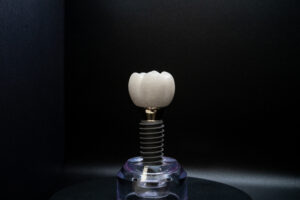
 The choice between a dental implant and a bridge depends on your specific oral health situation, with implants being the optimal solution when you have healthy adjacent teeth and adequate bone structure. While dental implants offer superior long-term benefits for most patients, bridges provide an effective alternative when certain health conditions or anatomical factors make implants unsuitable.
At Olympia Hills Family Dental, we believe in saving your natural teeth whenever possible. However, when a tooth cannot be saved due to severe decay, fracture, or trauma, dental implants provide the next closest thing to your natural tooth. Our approach focuses on giving you the best long-term outcome rather than just the quickest fix.
When Dental Implants Are the Clear Choice
Dental implants work as one-tooth solutions for one-tooth problems. When you lose a single tooth, an implant replaces both the root and crown without affecting your adjacent healthy teeth. This preserves the integrity of your surrounding teeth, which is crucial for maintaining your overall oral health.
Dr. Hafen has placed thousands of dental implants and teaches other dentists this advanced procedure. His extensive training and national speaking engagements on implant dentistry ensure you receive the highest level of care. Crowns strengthen teeth when there is enough healthy tooth structure, but when a tooth is beyond saving, implants provide the most durable and natural-feeling replacement.
Unlike bridges, implants stimulate your jawbone, dramatically decreasing the bone loss that occurs when tooth roots are missing. This stimulation maintains your facial structure and prevents the sunken appearance that develops over time. Implants also eliminate the need to grind down healthy adjacent teeth, which is required for traditional bridges.
When Bridges Become Necessary
Bridges serve as our alternative option when dental implants are not feasible. Certain health conditions make implant placement unsuitable for some patients. If you take bisphosphonate medications for bone density, have undergone radiation therapy, or have specific medical conditions affecting bone healing, a bridge might be your best viable option.
Additionally, if you previously had a bridge that needs replacement, we will evaluate whether you need another bridge depending on your current oral health status. However, we thoroughly evaluate each case to determine if converting to an implant-supported restoration is possible and beneficial for your long-term health.
Long-Term Value: Implants vs. Bridges
Understanding the financial implications helps you make an informed decision about your tooth replacement investment. While implants require a higher initial investment, their longevity makes them more cost-effective over 20 years.
Implants offer several long-term advantages that reduce future costs:
- Last a lifetime with proper care
- Preserve adjacent healthy teeth from being ground down
- Prevent bone loss that can lead to costly grafting procedures later
- Clean like natural teeth with regular brushing and flossing
Bridges, while initially less expensive, involve ongoing expenses that accumulate over time:
- Require replacement every 10-15 years
- Make adjacent teeth more susceptible to decay and complications
- Often need root canal treatments on supporting teeth
- Require special cleaning techniques and tools
When you calculate replacement bridges, potential complications with supporting teeth, and bone grafting procedures, these costs can exceed the initial implant investment over a 20-year period. Many insurance plans now provide similar coverage for both treatments. Our team helps you understand your benefits and explore financing options that make implant treatment accessible for your long-term oral health.
The Implant Advantage for Long-Term Health
Dental implants offer significant advantages over bridges when it comes to maintenance and longevity. With proper care, implants can last a lifetime, while bridges require replacement every 10-15 years on average. Implants are easier to clean since you can brush and floss them like natural teeth, whereas bridges require special cleaning techniques to maintain the area underneath.
The biological benefits of implants extend beyond convenience. By replacing the tooth root, implants maintain proper chewing forces and prevent adjacent teeth from shifting into the empty space. This preservation of your bite alignment reduces stress on your remaining teeth and jaw joints.
Our high-quality zirconia crowns used with implants provide exceptional strength and natural appearance. These advanced materials do not stain and resist wear, ensuring your restoration looks beautiful for years to come.
Experience Excellence at Olympia Hills Family Dental
Dr. Hafen’s advanced training and extensive experience in implant dentistry set our practice apart in the Live Oak, Universal City, and the surrounding areas. We use cutting-edge technology and the highest quality materials to ensure your implant treatment delivers exceptional results. Our team takes the time to explain your options thoroughly, helping you make informed decisions about your oral health.
We understand that replacing a tooth represents a significant investment in your health and well-being. That is why we focus on providing treatments that deliver lasting value rather than quick fixes. Schedule a consultation today to discover how dental implants can restore your smile and protect your oral health for years to come.
Frequently Asked Questions About Dental Implants and Bridges
What is the main difference between an implant and a bridge?
An implant replaces both the tooth root and crown and stands on its own. A bridge fills the gap by anchoring to the neighboring teeth, which usually need to be reshaped.
Do dental implants last longer than bridges?
With proper care, implants can last many years and often outlast bridges, which typically need replacement every 10 to 15 years. Your long-term outcome depends on your oral health and home care.
When is a bridge a better choice than an implant?
A bridge may be the better option when certain health conditions, medications, or bone factors make implant placement less suitable. We evaluate each case to recommend the right approach.
Do implants help prevent bone loss?
Yes. Because an implant replaces the tooth root, it stimulates the jawbone and can help reduce the bone loss that often follows tooth loss.
Is an implant more expensive than a bridge?
An implant often has a higher upfront cost, but its longevity and lower long-term maintenance can make it a strong value over time. Our team can help you review your options and benefits.
The Olympia Hills Family Dental Team
Olympia Hills Family Dental