
 A cavity that has already formed cannot be reversed, but the enamel damage that leads up to one often can. While the damage is still limited to the enamel layer, a treatment called remineralization can stop it and rebuild the lost minerals, so the tooth never breaks down into a hole that needs a filling.
At Olympia Hills Family Dental, we often see this early stage, especially in patients who brush well but snack frequently or skip regular cleanings. Once we catch a tooth in this window, we have tools that stop the damage without a drill or a shot, and knowing how that window works helps you use it while it is still open.
What Happens to a Tooth Before a Cavity Forms?
Enamel is a hard outer shell made of minerals like calcium and phosphate. Every time you eat something sugary or starchy, the bacteria in plaque produce acid that pulls those minerals out of the enamel. This is called demineralization, and it happens to some degree every day.
Your saliva fights back by depositing minerals back into the enamel, a process called remineralization. As long as remineralization keeps pace with demineralization, your tooth stays intact. Problems start when acid attacks happen more often than your saliva can repair, and mineral loss outpaces mineral gain. According to a systematic review conducted for the U.S. Preventive Services Task Force, dental caries first manifests as white spot lesions, small areas of demineralization under the enamel surface, and at this stage the lesion is usually reversible if appropriate preventive action is taken.
Why Can’t You Reverse a Cavity Once It Forms?
Once demineralization eats far enough through the enamel and reaches the dentin underneath, the structure becomes too soft to repair on its own. That softened area breaks down into a cavity, and a cavity needs a filling because the tooth cannot rebuild that lost structure on its own.
This window exists only while the damage stays contained in the enamel layer. Once it reaches the dentin, remineralization treatments cannot undo it. This is why catching a white spot early, often at a routine cleaning, changes what your treatment options look like.
How Do You Stop a Cavity From Forming?
For years, fluoride varnish was the main tool dentists used to strengthen enamel at this stage. We also offer a newer option called Curodont, an enamel treatment that targets the exact spot where demineralization is active.
Curodont does not heal the tooth or reverse existing damage the way regenerating lost tissue would. What it does is stop the bacteria at that spot and remineralize the enamel around it, closing the window before a cavity can form. The process takes about five minutes, does not require numbing or drilling, and one of our hygienists can apply it right in the treatment chair. It has been used in Europe for around two decades and is newer to dental offices in the United States.
We recommend Curodont for patients, including children, with early enamel lesions caught on dental technology like digital X-rays before they progress. It is not designed to replace a filling once the dentin is involved, but for the right spot at the right stage, it can help you skip the drill in that spot.
How Do Dentists Find Early Cavities at a Checkup?
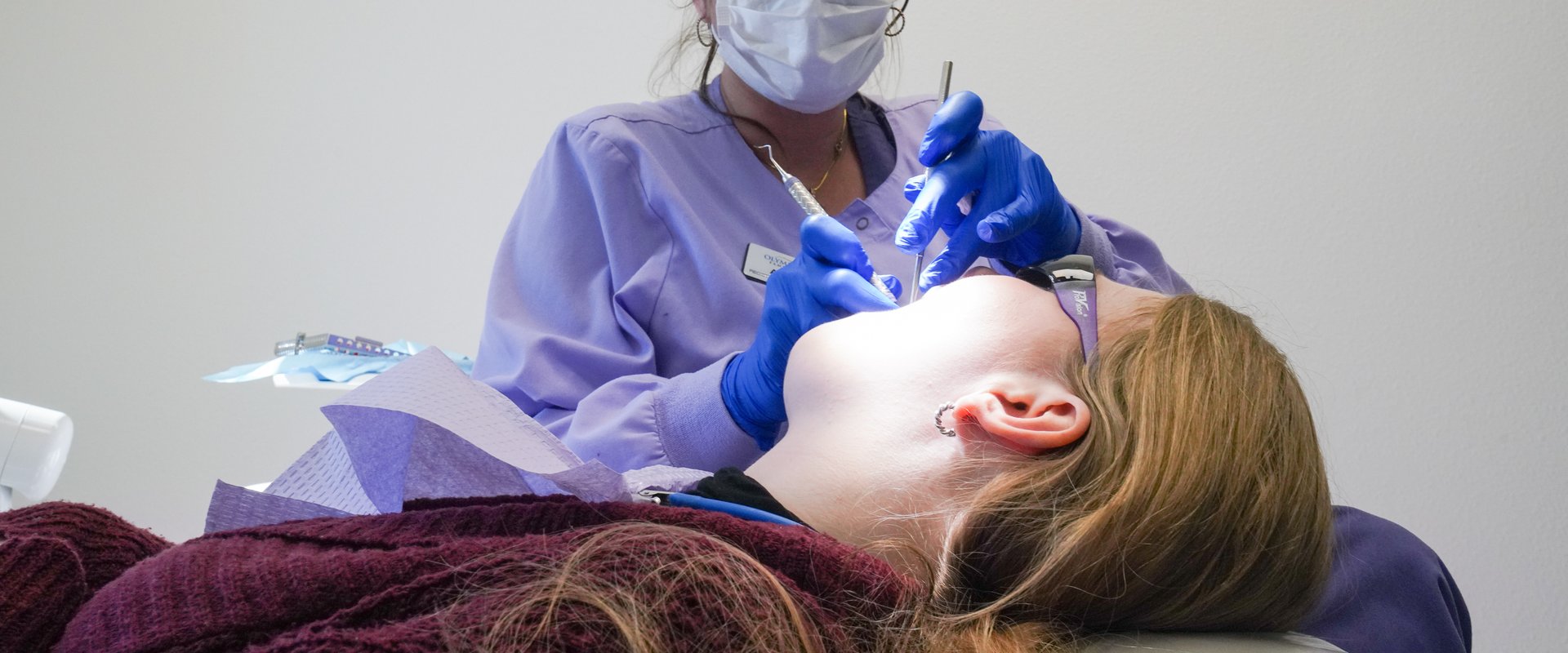
During a cleaning, our team examines each tooth surface for texture changes, discoloration, and the chalky look of an active white spot. We also review your imaging so we don’t miss anything between visits, because some early lesions are easier to catch on an X-ray than with the naked eye.
If we find a spot early, we walk you through your options right there. Some patients only need better brushing habits and a few months of monitoring. Others benefit from an in-office treatment the same day. Either way, catching the problem before it becomes a cavity means less time in the chair and a simpler visit overall.
What Can You Do at Home to Protect Your Enamel?
You do not need to wait for a cleaning to start protecting your enamel. Cutting back on how often you snack on sugary or starchy foods gives your saliva more time to repair enamel between meals, because it is the frequency of acid exposure that matters most, not just the amount of sugar. Brushing with a fluoride toothpaste twice a day reinforces the same remineralization process that your saliva is already doing.
A few habits can make a real difference between visits:
- Rinse: Swish water after sugary drinks or snacks instead of letting sugar linger on your teeth.
- Chew: Chew sugar-free gum to boost saliva flow after meals.
- Limit: Sipping soda, juice, or coffee with sugar throughout the day.
- Stick to a routine: Brush at a consistent bedtime, because saliva flow drops overnight.
- Floss: Flossing at least once daily helps clean the tight spaces between your teeth and along your gumline where your toothbrush may not reach.
These habits cannot undo an existing cavity, but they support the natural remineralization process and help keep a borderline spot from tipping into a full cavity.
Schedule a Checkup With Olympia Hills Family Dental
Early enamel changes are easy to miss on your own, which is exactly why routine visits matter so much. Our dentists look closely at every surface, use imaging to catch what is not visible yet, and walk you through real options if we find something early.
We love helping patients from Schertz, Cibolo, Converse, and the surrounding area protect their smiles before small problems turn into bigger ones. Many patients who have gone through this process share their experience on our testimonials page. If it has been a while since your last cleaning, or you want a second look at a spot that concerns you, reach out through our contact form and our team can get you on the schedule.